
Garage door systems play a central role in home convenience and security, yet many homeowners don’t fully understand how these systems work until something goes wrong. When problems arise, the process of diagnosing and fixing the issue can feel overwhelming—especially when searching for trusted garage door repairs that actually solve the problem.
A garage door opener may seem like a simple device, but behind its smooth operation lies a combination of mechanical parts, electrical components, safety systems, and structural elements. Because of this complexity, garage door repairs often require both knowledge and careful hands-on work.
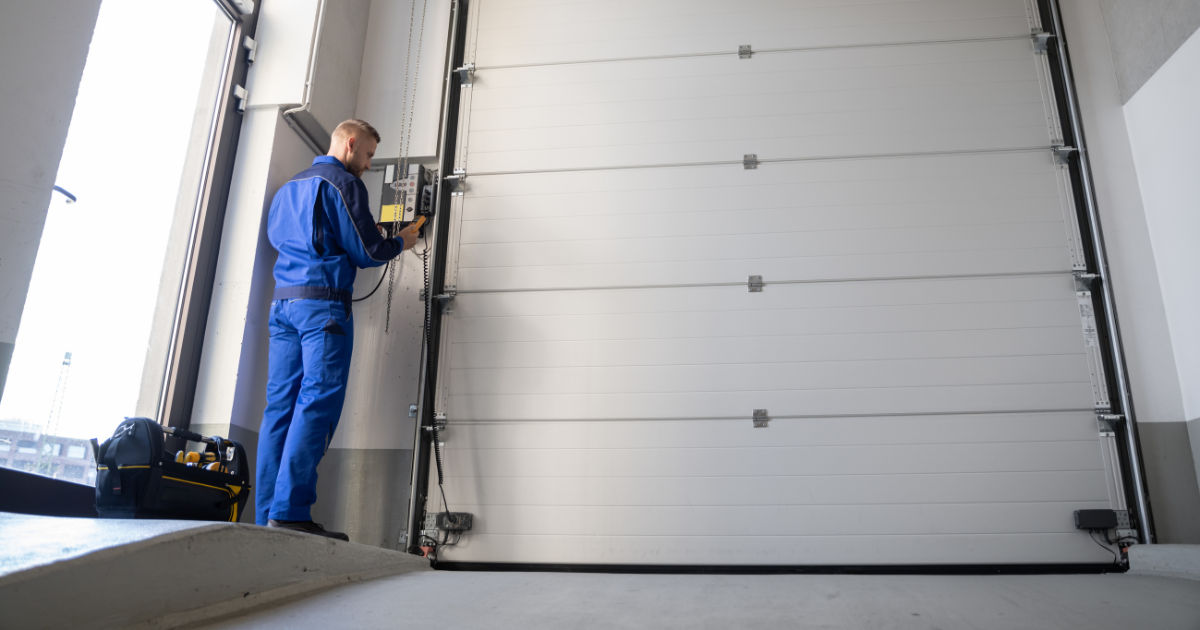
This comprehensive guide explains everything you need to know about garage door opener issues, how to diagnose common problems, what fixes you can safely handle yourself, and when it’s time to call professionals for garage door repairs. Whether your door has stopped responding, feels sluggish, or makes strange noises, understanding the system empowers you to maintain your home more effectively. In an age where homeowners expect reliability, accurate information about garage door repairs is more important than ever.
How Garage Door Openers Work
Before you can understand why something stops working, you need to understand the basics of how the system functions. Even though people often refer to all issues as garage door repairs, the opener itself is only one part of a much larger structure.
Mechanical Components
The mechanical system includes:
-
The door panels
-
Hinges
-
Rollers
-
Tracks
-
Torsion or extension springs
While these aren’t part of the opener, any problem with them will eventually require garage door repairs that affect the opener’s performance. A misaligned track or worn roller forces the opener to work harder, leading to premature failure.
The Opener Motor
Inside the opener housing is a motor responsible for lifting and lowering the door. When the motor becomes worn, overheated, or obstructed, homeowners often seek garage door repairs because the door begins to move slowly, jerk during operation, or stop entirely.
Drive System: Chain, Belt, or Screw
The drive system transfers motor power to the door:
-
Chain drives: durable but louder
-
Belt drives: smoother and quieter
-
Screw drives: fast but sensitive to temperature
Each type encounters different issues, requiring specific types of garage door repairs depending on what has failed.
Safety Sensors
Modern openers include infrared sensors that prevent the door from closing when something blocks the path. If these sensors become misaligned or dirty, you will likely find yourself searching for garage door repairs solutions because the door refuses to close.
Control Systems
The opener connects to wall switches, remotes, and wireless keypads. Electrical or programming failures can make the system unresponsive, another common trigger for garage door repairs.
Common Signs You Need Garage Door Opener Repairs
Identifying problems early can save money and prevent major breakdowns. The following symptoms indicate you may need garage door repairs soon.
The Door Doesn’t Respond
If you press the remote and nothing happens, the issue could involve the opener’s logic board, sensors, wiring, or motor. Homeowners often assume the opener has failed completely and immediately look for garage door repairs, but sometimes the fix is as simple as replacing batteries or resetting the system.
The Door Opens or Closes Partially
Partial movement often points to worn springs, damaged tracks, sensor interference, or an overloaded motor. These issues require professional garage door repairs to avoid causing further damage.
Grinding or Clicking Noises
Strange sounds usually mean mechanical wear. Grinding noises may indicate a broken gear, insufficient lubrication, or a damaged chain—situations that warrant immediate garage door repairs to prevent motor burnout.
The Door Reverses Unexpectedly
If the door goes down but immediately reverses, the opener is detecting resistance or obstruction. Misaligned sensors and track problems are the most common causes, and both call for basic or advanced garage door repairs.
Slow or Jerky Movement
Sluggish motion can result from worn rollers, weak springs, or drive system issues. These problems gradually worsen, so timely garage door repairs help avoid larger system failures.
Step-by-Step Troubleshooting for Homeowners
Before calling a technician, there are several troubleshooting steps you can safely perform. Not all garage door repairs require advanced tools or expertise.
Check the Power Source
A surprising number of callers request garage door repairs only to learn that the opener was unplugged or the circuit breaker tripped. Confirm that:
-
The opener is plugged in
-
The outlet has power
-
The breaker hasn’t flipped
Test the Remote and Keypad
Replace batteries and reprogram the remote if needed. Many homeowners think they need garage door repairs, but the issue lies in incorrect pairing between the remote and opener.
Inspect the Safety Sensors
Look for:
-
Blinking indicator lights
-
Dirt or debris blocking lenses
-
Misalignment
Most sensor problems can be fixed without professional garage door repairs by adjusting the alignment until both sensor lights stay solid.
Examine the Tracks and Rollers
Small obstructions can cause major operation failure. Clean the tracks, remove debris, and check for dents. If the damage is significant, professional garage door repairs are necessary.
Rebalance the Door
Disconnect the opener and manually lift the door. If it feels extremely heavy or drops suddenly, the springs are likely failing. Because springs are dangerous, this is the moment to call experts for garage door repairs.
DIY Repairs You Can Safely Handle
Some tasks are simple enough for most homeowners and can prevent bigger garage door repairs later.
Lubricating Moving Parts
Apply a silicone-based lubricant to:
-
Hinges
-
Rollers
-
Springs
-
Chains
-
Tracks (lightly)
Regular lubrication reduces friction and delays the need for larger garage door repairs.
Tightening Screws and Bolts
Vibration loosens hardware over time. Tightening everything ensures smoother operation and decreases stress on the opener.
Resetting the Opener
Most openers include a simple reset procedure. Resetting resolves many software glitches that homeowners mistakenly think require professional garage door repairs.
Replacing Remote Batteries
A fresh battery can prevent unnecessary service calls. Again, this avoids calling for garage door repairs when the problem is very minor.
Repairs That Require a Professional
While some tasks are safe for homeowners, other garage door repairs should only be handled by trained technicians.
Spring Replacement
Torsion and extension springs are under extreme tension. Mishandling can cause severe injury. Professional garage door repairs ensure the correct spring size and tension.
Motor Replacement
If the motor burns out or internal gears break, repairing or replacing the opener requires advanced skills. DIY attempts often cause more damage and lead to even more expensive garage door repairs.
Track and Panel Repair
Bent tracks and damaged panels affect alignment and safety. Professionals can ensure proper straightening or replacement.
Wiring and Circuit Board Issues
Electrical problems should never be handled without expertise. Short circuits can damage the entire system, so certified garage door repairs are essential.
Sensor System Replacement
If sensors fail completely, replacement requires precise calibration that ensures the opener meets safety regulations.
How to Choose the Right Garage Door Repair Service
Not all garage door repairs providers are equal. To ensure quality work, keep these factors in mind.
Reputation and Reviews
Look for companies with consistently positive reviews and a history of reliable service. Honest feedback helps you choose skilled professionals for your garage door repairs.
Licensing and Insurance
Never hire a contractor without proper credentials. Licensed technicians ensure safe and compliant garage door repairs.
Transparent Pricing
Trustworthy companies offer clear estimates without hidden fees. Detailed quotes help you understand what the garage door repairs include.
Response Time
Emergency failures require immediate attention. A company offering fast service can prevent additional damage, reducing the cost of future garage door repairs.
Warranty on Work
Professional providers typically guarantee their work. Good warranties protect you from repeated issues and additional garage door repairs down the line.
Preventative Maintenance to Avoid Opener Failures
Regular maintenance is the key to reducing the need for frequent garage door repairs.
Annual Professional Inspection
A trained technician can identify early signs of wear, misalignment, or electrical problems long before serious breakdowns occur.
Monthly Home Checks
Homeowners should check springs, cables, rollers, and tracks once a month. Consistent monitoring reduces sudden needs for emergency garage door repairs.
Routine Lubrication
Lubricate all moving parts every three months to improve performance and protect the opener.
Keep the Door Balanced
A balanced door ensures smooth operation and prevents strain on the motor, reducing long-term garage door repairs.
Clean the Sensors
Wiping the lenses regularly prevents false reversals and sensor-related failures.
The Cost of Garage Door Opener Repairs
Prices vary based on the model, problem severity, and parts required. Understanding what influences the cost helps homeowners make informed decisions about garage door repairs.
Minor Repairs
Minor issues such as sensor alignment or lubrication usually cost less and may not require major parts.
Mid-Range Repairs
Track adjustment, remote reprogramming, and minor motor fixes fall into this category. These garage door repairs require more time and expertise.
Major Repairs or Replacement
Motor replacement, broken gears, or full opener overhaul can be expensive. Sometimes replacing the entire opener is more cost-effective than repeated garage door repairs.
When Replacement Is Better Than Repair
Even though garage door repairs can fix many problems, there comes a point when replacement is the smarter choice.
The Opener Is More Than 15 Years Old
Older models are slower, louder, and lack modern safety features. Upgrading prevents future garage door repairs and offers better performance.
Frequent Breakdowns
If you are constantly scheduling garage door repairs, replacement saves time and money in the long run.
Obsolete Parts
When parts become unavailable, fixing the old opener becomes impossible or impractical.
You Want Smart Features
Modern systems include Wi-Fi connectivity, smart control apps, and enhanced security—upgrades that eliminate many of the issues that lead to garage door repairs.
Conclusion
A properly functioning garage door opener is essential for home safety, convenience, and peace of mind. Understanding how the system works helps homeowners diagnose issues early and decide when to handle small fixes themselves or call in professionals for more complex garage door repairs. Regular maintenance, timely intervention, and choosing the right service provider can extend the life of your opener significantly. Whether you’re tightening hardware, realigning sensors, or scheduling annual inspections, staying proactive prevents expensive failures and reduces the frequency of major garage door repairs. By taking care of your system and addressing problems quickly, your garage door will continue to operate smoothly for years to come.
