
Choosing the right Eid outfit involves more than selecting beautiful colours, attractive embroidery, or fashionable fabrics. The way a dress fits can completely change how it looks and feels. An outfit that fits properly creates a balanced appearance, allows comfortable movement, and helps the wearer feel confident throughout the celebrations. Whether someone prefers traditional shalwar kameez, a flowing maxi, an elegant gharara, or a modern frock, the right fit is essential for a successful festive look.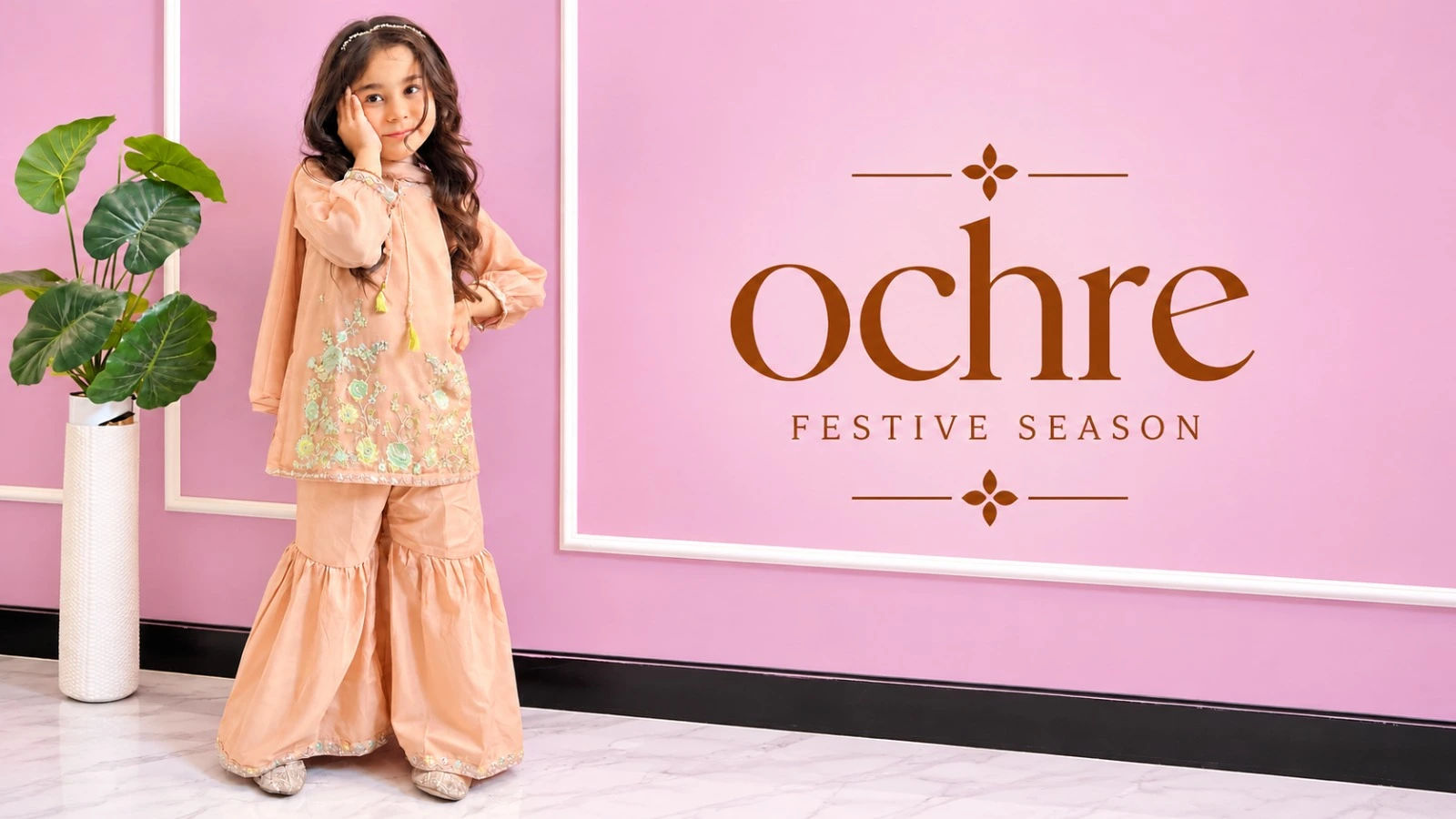
When exploring eid dress design 2026, women should pay particular attention to comfort, proportions, and personal preferences. Fashion trends may introduce different silhouettes, sleeve styles, shirt lengths, and trouser cuts, but a beautiful outfit should always fit the wearer rather than force the wearer to adjust to the outfit. The ideal fit should provide enough room for movement while maintaining a neat and flattering shape. It should also reflect the level of modesty and coverage that the individual prefers.
In 2026, fashionable Eid clothing offers plenty of options for different body shapes and styling preferences. Understanding how each part of an outfit should fit can make shopping, tailoring, and styling much easier. From shoulder measurements to trouser lengths, every detail contributes to the overall appearance.
Why Does the Right Dress Fit Matter for Eid?
Fit is one of the most important elements of clothing because it affects both appearance and comfort. Even an expensive designer outfit may not look attractive if the shoulders are too tight, the sleeves are uncomfortable, or the trousers are incorrectly measured.
Eid celebrations often involve long hours of social activities. Women may attend prayers, visit relatives, welcome guests, and participate in family dinners. Clothing should support these activities without creating unnecessary discomfort.
A Better Overall Appearance
A properly fitted dress creates balanced proportions. The shoulders sit naturally, the sleeves fall comfortably, and the shirt follows the intended silhouette.
For example, a straight-cut shirt should look neat without pulling across the chest or waist. Similarly, a flared frock should have enough room to move while maintaining its intended shape.
Good tailoring makes even a relatively simple outfit look sophisticated.
Comfort Throughout the Day
Comfort should never be overlooked when choosing festive clothing.
An outfit that feels comfortable during a short fitting session may become restrictive after several hours of wearing it.
Tight armholes, narrow trousers, stiff waistbands, and heavy fabrics can make movement difficult.
Choosing the correct measurements helps prevent these problems.
Confidence in Personal Style
Clothing can influence how people feel about their appearance.
When an outfit fits comfortably and reflects personal preferences, it becomes easier to enjoy celebrations without constantly adjusting sleeves, dupattas, or trousers.
The best fit is not necessarily the tightest or loosest. It is the one that feels natural and looks well balanced.
How Should the Shoulders Fit?
Shoulder fitting is an important part of any shirt, kurta, frock, or traditional dress.
The shoulder seams should generally align with the natural ends of the shoulders, depending on the design.
Avoid Extremely Tight Shoulders
Tight shoulders can restrict arm movement and create unwanted pulling around the upper body.
When raising the arms or moving naturally, the fabric should not feel strained.
If the shoulders are too narrow, the entire shirt may appear uncomfortable.
Avoid Excessively Wide Shoulders
Shoulders that extend too far beyond the natural shoulder line can make a structured shirt appear oversized.
However, some contemporary designs intentionally feature dropped shoulders or relaxed cuts.
These styles should be selected deliberately rather than mistaken for incorrect tailoring.
Consider the Design
Traditional shirts often have structured shoulder seams, while loose kurtas and contemporary outfits may use relaxed construction.
The important thing is maintaining the intended shape without compromising comfort.
Choosing the Correct Shirt Length
Shirt length plays a major role in the overall appearance of an Eid outfit. Different traditional and modern designs require different lengths.
There is no single measurement that works for everyone.
Short Shirts
Short shirts are commonly paired with ghararas, shararas, and wide-leg trousers.
eid dress design 2026 a traditional festive appearance and allow the decorative trouser design to remain visible.
However, women who prefer greater coverage can choose a slightly longer shirt or add a suitable inner layer.
Medium-Length Shirts
Medium-length shirts are versatile and work well with straight trousers, cigarette pants, and traditional shalwars.
They offer a balanced appearance without making the outfit look overly formal.
This length is especially useful for women who want an outfit that can be worn for different occasions.
Long Shirts
Long shirts are popular among women who prefer modest and comfortable clothing.
They work beautifully with straight trousers, palazzos, and narrow pants.
A long shirt should be tailored carefully so that it does not become unnecessarily heavy or difficult to walk in.
Floor-Length Designs
Long maxi dresses and Anarkali frocks offer a dramatic festive appearance.
Their length should be selected according to footwear and personal comfort.
The hem should not drag excessively on the ground, as this can make walking difficult and cause fabric damage.
How Should Sleeves Fit?
Sleeves are another important detail because they influence both the appearance and practicality of an outfit.
Different sleeve designs suit different clothing styles.
Full Sleeves
Full sleeves are a popular option for traditional and modest Eid outfits.
They should provide sufficient room around the upper arms and elbows.
The cuffs should not feel tight, particularly when the sleeves include buttons, embroidery, or decorative borders.
Three-Quarter Sleeves
Three-quarter sleeves are suitable for women who prefer a slightly lighter appearance.
They work well with embroidered kurtas, straight shirts, and contemporary festive outfits.
The sleeve length should feel natural and should not interfere with normal arm movement.
Bell Sleeves
Bell sleeves create a fashionable and graceful appearance.
Because they become wider towards the wrists, they provide additional movement and decorative possibilities.
However, extremely wide sleeves may become inconvenient during meals or other activities.
Puff and Statement Sleeves
Puff sleeves and statement sleeves can add volume to an outfit.
They should be designed carefully so that the upper body does not appear unnecessarily crowded.
The sleeve structure should complement the shirt's overall silhouette.
Finding the Right Fit for Different Eid Outfits
Different dress styles require different fitting approaches. Understanding these differences can help women choose clothing that looks attractive and remains practical.
Shalwar Kameez
Traditional shalwar kameez is one of the most versatile Eid outfits.
The shirt should sit comfortably across the shoulders and chest. Its waist and side seams should follow the intended design without pulling.
The trousers should provide enough room around the hips and thighs.
A properly fitted shalwar kameez should allow comfortable sitting, walking, and movement.
Anarkali Frocks
Anarkali frocks usually feature a fitted upper section and a flared skirt.
The bodice should fit comfortably around the shoulders and chest without feeling restrictive.
The waistline should sit according to the design, while the skirt should provide enough room for its intended flare.
A good Anarkali should move gracefully without becoming difficult to manage.
Sharara and Gharara
Sharara and gharara outfits require special attention to trouser fitting.
The waistband should sit securely without pressing against the stomach.
The upper trouser section should provide sufficient movement, while the flare should fall naturally.
The length should be measured with the footwear that will be worn during Eid.
For ghararas, the knee area and decorative joining section should not feel restrictive.
Maxi Dresses
Maxi dresses should fit comfortably around the upper body while allowing the skirt to flow naturally.
The waistline should complement the design, and the hem should be long enough to create an elegant appearance without dragging.
Lightweight lining can also help improve comfort and coverage.
Abayas and Modest Outfits
Abayas are generally designed with relaxed silhouettes.
The sleeves, shoulders, and overall length should provide the desired coverage without interfering with movement.
The garment should not feel unnecessarily tight around the arms or body.
How Loose Should a Modest Eid Dress Be?
Modest fashion often involves choosing clothing that provides comfortable coverage and does not feel overly fitted.
However, loose clothing should still have a balanced structure.
An excessively oversized outfit may hide its design details and create an untidy appearance.
Choose a Relaxed Silhouette
A relaxed silhouette provides enough space for comfortable movement.
Straight-cut shirts, flowing maxi dresses, loose trousers, and layered kurtas are excellent choices.
The fabric should fall naturally rather than cling to the body.
Consider Fabric Thickness
Fabric selection can influence how loose an outfit needs to be.
Lightweight fabrics such as chiffon and lawn may require suitable lining.
Heavier materials such as velvet or thick silk may need a slightly different cut to avoid unnecessary bulk.
The goal is to create comfortable coverage without making the outfit feel heavy.
Balance Volume
If the shirt is particularly loose or heavily flared, the trousers can be selected to complement its shape.
Similarly, a fitted upper section can work beautifully with a flowing skirt.
Balanced proportions help create an elegant appearance.
The Importance of Fabric in Dress Fitting
Fabric affects how an outfit sits on the body, how it moves, and how comfortable it feels.
Choosing the right material is therefore essential when planning an Eid wardrobe.
Lawn and Cotton
Lawn and cotton are popular choices for warm-weather celebrations.
They are breathable and generally comfortable for extended wear.
These fabrics work particularly well for traditional suits and everyday festive outfits.
Chiffon
Chiffon is lightweight and suitable for flowing dresses, dupattas, and layered designs.
It creates a graceful appearance but may require lining to provide sufficient coverage.
Organza
Organza has a structured appearance and works well for formal outfits.
It can add volume to sleeves, skirts, and decorative outer layers.
Because it may feel slightly stiff, the design should allow comfortable movement.
Silk and Satin
Silk and satin offer a luxurious appearance.
They are suitable for formal Eid gatherings and evening celebrations.
Their smooth texture makes correct measurements particularly important because unwanted pulling and creasing may become noticeable.
How to Choose the Right Trouser Length
Trouser length can affect the overall balance of an Eid outfit.
Incorrectly measured trousers may drag on the ground or appear shorter than intended.
Straight Trousers
Straight trousers should fall neatly around the ankles.
They should provide enough room for comfortable movement without bunching excessively around the legs.
Wide-Leg Trousers
Wide-leg trousers require careful measurement because their wider shape creates additional fabric around the lower body.
The hem should fall at an appropriate length according to the chosen footwear.
Palazzo Pants
Palazzos are known for their loose and flowing structure.
They should provide enough length to create an elegant appearance without touching the ground excessively.
Shalwars
Traditional shalwars often include additional fabric and gathers.
Their waistbands should feel secure, while the lower section should provide comfortable movement.
How to Get the Perfect Fit When Shopping Online
Online shopping makes it easier to explore different designs, but selecting the correct size can sometimes be challenging.
Different brands may use different measurement charts.
Therefore, women should not rely entirely on labels such as small, medium, or large.
Measure Yourself Carefully
Before ordering an outfit, measure important areas such as:
-
Shoulder width
-
Chest or bust
-
Waist
-
Hip circumference
-
Sleeve length
-
Shirt length
-
Trouser length
Use a measuring tape and keep it comfortably positioned rather than pulling it tightly.
Check the Size Chart
Always compare personal measurements with the seller's size chart.
If the outfit is customised, provide accurate measurements and clarify whether additional fitting allowance is included.
Read Fabric Details
Check whether the material stretches, whether it includes lining, and whether it requires special care.
These details can influence the final fit.
Understand the Return Policy
Before purchasing an expensive outfit, review the exchange and return conditions.
This is particularly important when ordering formal Eid clothing online.
Common Fitting Mistakes to Avoid
Even attractive outfits can lose their appeal when small fitting problems are overlooked.
Avoiding common mistakes can help create a better festive appearance.
Choosing a Smaller Size
Some people select smaller sizes because they believe tighter clothing looks more fashionable.
However, this can create pulling, uncomfortable sleeves, and restricted movement.
Choose a size that allows the outfit to sit naturally.
Ignoring the Length of the Dupatta
The dupatta is an important part of many traditional Eid outfits.
Its length and width should complement the dress.
A dupatta that is too short may be difficult to style, while an excessively heavy one may become uncomfortable.
Forgetting About Footwear
Trouser and dress lengths should be checked with the footwear intended for Eid.
A dress that looks perfect with flats may sit differently when worn with heels.
Overlooking Sitting Comfort
An outfit should not only look attractive while standing.
Sit down, bend slightly, and move your arms during the fitting process.
This helps identify tight areas that may become uncomfortable during celebrations.
Ignoring Alterations
Ready-made clothing does not always fit perfectly.
Small alterations to sleeves, shoulders, shirt lengths, and trousers can make a significant difference.
Professional tailoring is often worth considering for formal outfits.
Practical Tips for Getting Your Eid Outfit Tailored
Custom tailoring provides an opportunity to create an outfit according to personal measurements and preferences.
However, clear communication with the tailor is essential.
Share Your Preferred Design
Show the tailor the intended silhouette, sleeve style, neckline, and shirt length.
Explain whether you prefer a fitted, relaxed, or flowing appearance.
Discuss Movement and Comfort
Ask for sufficient room around the shoulders, arms, waist, and hips.
This is especially important for outfits that will be worn throughout the day.
Schedule a Trial Fitting
If possible, arrange a trial fitting before the outfit is completed.
This allows small adjustments to be made before final stitching.
Check the Finishing
Inspect the seams, lining, zippers, buttons, cuffs, and decorative details.
Good finishing helps the outfit maintain its appearance and durability.
Conclusion
The right fit is one of the most important elements of a beautiful Eid outfit. While colours, embroidery, fabrics, and decorative details attract attention, proper fitting determines how comfortable and elegant the clothing looks when worn. A well-fitted outfit should complement the intended design, provide suitable coverage, and allow natural movement throughout the celebrations.
Choosing the right eid dress design 2026 means understanding your personal preferences and selecting a silhouette that works with your comfort requirements. Whether you prefer a traditional shalwar kameez, a flowing Anarkali, a stylish gharara, a graceful sharara, or a modern maxi dress, the fitting should always be appropriate for the outfit's construction.
Pay attention to important details such as shoulder alignment, sleeve measurements, shirt length, trouser fitting, and fabric quality. These small elements can transform an ordinary outfit into something special. Women who prefer modest fashion should focus on relaxed silhouettes that provide comfortable coverage without looking unnecessarily oversized.
It is also important to consider the activities planned for Eid. Lightweight fabrics, practical footwear, comfortable sleeves, and properly measured hemlines can make long celebrations more enjoyable. If a ready-made outfit does not fit perfectly, professional alterations can help achieve a better result.
Ultimately, the best Eid dress is not necessarily the most expensive or heavily decorated one. It is the outfit that makes you feel comfortable, confident, and happy. By prioritising good fitting alongside beautiful design, you can enjoy a stylish and memorable Eid celebration.
