
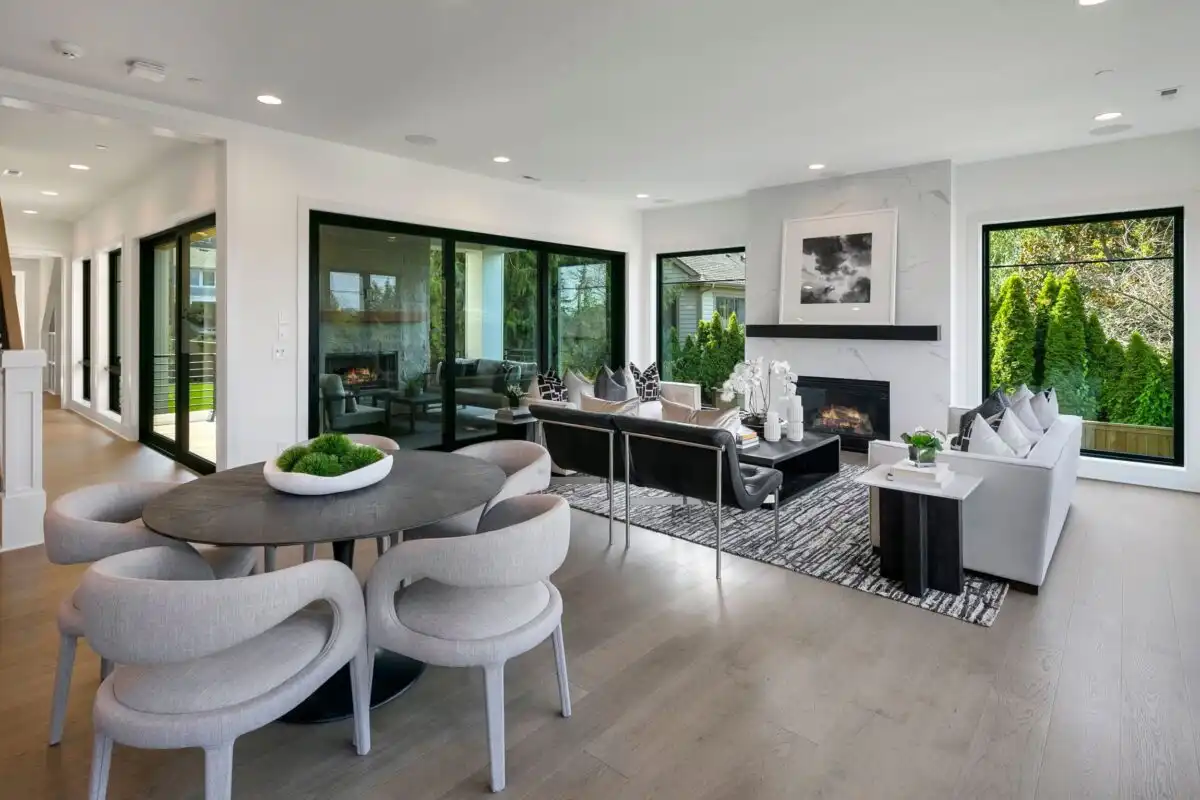
Buying a newly built home is an important decision that can influence everyday comfort, household finances, and long-term plans. A property may look impressive during a viewing, but the right choice depends on how well it fits the buyer's routines, priorities, and budget. Spec homes can be appealing because they are built before a specific buyer is selected, allowing purchasers to evaluate a completed or nearly completed property without managing every stage of construction. Knowing what to look for can help buyers choose a home that suits their lifestyle.
Start With Your Everyday Needs
Before comparing properties, consider how you and your household use a home. A couple who frequently works remotely may need a dedicated office, while a family with young children may prioritize additional bedrooms, practical storage, and safe outdoor space. Buyers who enjoy entertaining may prefer a connected kitchen and living area, while those who value privacy may want separate rooms for work and relaxation.
Think about both present needs and possible changes in the future. A room that serves as a nursery today could become a study later. A flexible guest room might accommodate visiting relatives or support a new hobby. Choosing a layout that can adapt may help you avoid moving or renovating too soon.
Write down the features you consider essential and distinguish them from features that would simply be nice to have. This makes it easier to compare properties objectively instead of being influenced only by decoration or first impressions.
Set a Realistic Budget
The purchase price is only one part of the total cost of owning a home. Buyers should also consider closing costs, property taxes, insurance, utilities, maintenance, and any immediate purchases needed after moving in. Depending on the property, landscaping, window coverings, appliances, or other finishing details may also affect the budget.
If financing is required, review the monthly payment alongside your other household expenses. Consider whether the payment would remain manageable if utility bills increased, household income changed, or an unexpected repair became necessary.
Avoid stretching your budget to secure optional upgrades that do not significantly improve everyday life. A home with a simpler finish and a convenient location may be a better long-term choice than a more expensive property with features you rarely use.
Prospective buyers can explore information from builderfinance.com to better understand construction-related financing topics. Although construction financing and a buyer's home mortgage are not the same thing, understanding how residential projects are funded can provide useful context when discussing a property's development and completion.
Evaluate the Location Carefully
The neighborhood can affect convenience, lifestyle, and future resale potential. Before choosing a property, consider the distance to work, schools, shops, healthcare, public transportation, parks, and other places you visit regularly.
Visit the area at different times of day if possible. Traffic, street noise, parking availability, and neighborhood activity can vary considerably between morning, afternoon, and evening. Also consider whether planned developments or changes to local infrastructure could affect the area in the future.
Do not rely solely on a property's description of its surroundings. Check distances, access routes, local services, and any relevant restrictions independently. The right location depends on your priorities, not simply the neighborhood's reputation.
Review the Floor Plan and Storage
A floor plan can reveal how practical a home will be after the furniture is moved in. Check whether the rooms have suitable dimensions, whether walkways feel comfortable, and whether doors and windows allow sensible furniture placement.
Pay attention to the relationship between the kitchen, dining area, and living room. These spaces often shape daily routines, so their arrangement should fit how you cook, eat, relax, and entertain.
Storage deserves equal attention. Look for wardrobes, linen cupboards, pantry space, laundry storage, and a convenient place for coats, shoes, bags, and everyday belongings. Insufficient storage can make a home feel crowded even when its total floor area appears generous.
If you work from home, consider where a desk and equipment could fit without disrupting shared spaces. If you have children, think about where toys, school supplies, and outdoor equipment will be stored.
Inspect Construction Quality
A new property is not automatically free from defects. Before purchasing, review the available inspection reports, warranties, building approvals, and completion documents. Where appropriate, arrange for an independent qualified inspector to assess the property.
Check visible finishes, doors, windows, flooring, plumbing fixtures, ventilation, and electrical fittings. Ask questions about roofing, drainage, insulation, and heating or cooling systems. A professional inspection may identify concerns that are not obvious during an ordinary viewing.
If the home is not yet complete, ask for a clear description of what remains to be finished and which items are included in the sale. Confirm the expected completion date and understand the process for documenting and correcting defects.
Buyers should also clarify warranty coverage, maintenance obligations, and whom to contact if a problem appears after moving in. Written records are more useful than relying only on verbal assurances.
Consider Energy Efficiency and Maintenance
Energy-efficient features can influence comfort and ongoing expenses. Depending on the local climate, useful features may include suitable insulation, well-sealed windows, efficient lighting, modern appliances, and appropriately sized climate-control equipment.
Ask for documentation about installed systems rather than assuming that a home is efficient because it is new. If an energy rating or certification is available, review what it covers and whether the property meets the stated standard.
Maintenance is another important consideration. Durable surfaces, reliable fixtures, effective drainage, and accessible service areas can make a home easier to maintain. Ask which materials and appliances are installed and whether replacement parts or servicing are readily available.
A home that is simple to operate and maintain may be more suitable than one filled with expensive systems that require specialized attention.
Compare Properties Objectively
When viewing several spec homes, use the same criteria for each property. Compare the purchase price, location, floor plan, storage, construction quality, included features, energy performance, and likely ongoing expenses.
Consider the trade-offs. One property may offer a larger yard but require a longer commute. Another may have fewer bedrooms but provide a more convenient location and lower maintenance needs. The best choice depends on which factors matter most to your household.
Do not feel pressured to decide solely because a home is newly built or professionally staged. Take time to review the documents, ask questions, and seek independent advice where needed.
Conclusion
Choosing the right property requires more than finding an attractive design. Buyers should consider lifestyle needs, budget, location, floor-plan functionality, construction quality, energy performance, and future flexibility. A careful comparison can help identify a home that supports everyday routines while remaining financially manageable. For additional information about spec homes and the residential construction process, builderfinance.com offers a useful starting point for further exploration.
